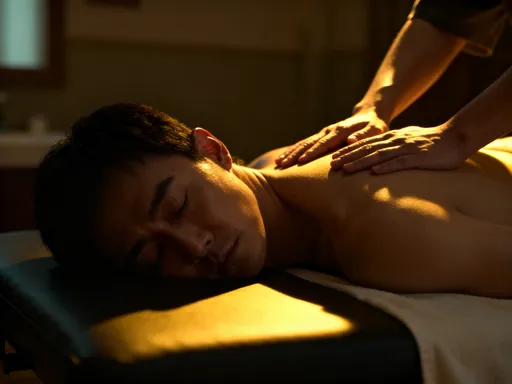
Recovering from a long-term health setback can feel like walking uphill with no end in sight. I tried everything—rest, diet changes, even intense therapies—but something was missing. Then I discovered traditional Chinese medicine (TCM) adjustment, not as a quick fix, but as a steady, thoughtful path to rehabilitation. It didn’t promise miracles, but it delivered real, gradual healing. This is how TCM helped me rebuild balance—naturally and sustainably. My journey wasn’t about rejecting modern medicine; it was about expanding it. After months of lingering fatigue and disrupted sleep following a prolonged illness, I realized that healing required more than treating symptoms. I needed a system that looked deeper—into the rhythms of energy, the quality of rest, the connection between digestion and vitality. That’s when I began to explore traditional Chinese medicine, not as an alternative, but as a complementary partner in recovery.
The Hidden Gap in Modern Rehabilitation
Modern medicine excels at diagnosing conditions, managing acute symptoms, and guiding physical recovery through structured rehabilitation programs. Physical therapy helps restore mobility, medications reduce inflammation, and nutritional counseling supports healing. Yet, despite these advances, many individuals continue to experience unresolved challenges long after treatment ends. Persistent fatigue, low-grade pain, disrupted sleep, and emotional depletion are common complaints among those recovering from chronic illness, surgery, or extended periods of stress. These lingering issues suggest a gap in conventional rehabilitation—one that often overlooks the body’s need for systemic balance.
The conventional model tends to focus on isolated symptoms or specific organs, which is effective for targeted interventions but may miss broader patterns of imbalance. For example, a person recovering from a respiratory infection might receive antibiotics and breathing exercises, but if their energy remains low and digestion weak, the recovery process can stall. The body is not a collection of separate parts but an interconnected network where emotional, metabolic, and energetic systems influence one another. When one area is strained, others compensate, sometimes leading to a cycle of slow healing and recurring discomfort.
This is where the concept of regulation becomes essential. The body has an innate ability to heal, but it requires optimal internal conditions—balanced energy flow, proper organ function, and emotional stability. Without these, recovery can plateau. Traditional Chinese medicine addresses this gap by focusing not only on what is broken but on how the entire system functions. It does not replace medical treatment but complements it by supporting the body’s self-regulating mechanisms. For many, including myself, this integrative insight was the missing piece in a stalled recovery journey.
What Is TCM Adjustment? A Professional Perspective
Traditional Chinese medicine adjustment refers to a set of practices designed to restore harmony within the body’s functional systems. At its core, TCM views health as a state of dynamic balance—between opposing forces like activity and rest, warmth and coolness, movement and stillness. This balance is maintained through the smooth flow of Qi (pronounced “chee”), the vital energy that supports all physiological processes. When Qi flows freely and organ systems work in coordination, the body functions optimally. When blockages, deficiencies, or excesses occur, symptoms arise.
Unlike symptom-based models, TCM evaluates the individual as a whole. A practitioner assesses patterns through detailed history, observation of the tongue, and pulse diagnosis. These methods are not mystical but systematic tools refined over centuries of clinical observation. For example, a pale tongue with a thin coating might indicate Qi or blood deficiency, while a wiry pulse could suggest stress-related stagnation in the Liver system. These signs help form a personalized treatment plan, rather than applying a one-size-fits-all approach.
Central to TCM is the framework of Yin and Yang—the complementary forces that govern all life processes. Yin represents nourishment, rest, and internal resources, while Yang embodies activity, warmth, and outward expression. Health depends on their balanced interaction. The Five Elements—Wood, Fire, Earth, Metal, and Water—further refine this understanding by linking emotional, physical, and seasonal patterns. For instance, the Wood element relates to the Liver and Gallbladder, influencing decision-making and the smooth flow of energy. When this system is stressed, it can manifest as irritability, muscle tension, or digestive discomfort.
Meridian theory explains how Qi travels through defined pathways connecting the surface of the body to internal organs. These channels are the basis for acupuncture and acupressure, where specific points are stimulated to influence organ function and energy flow. Far from being abstract, these concepts function as a practical map for restoring balance. A TCM adjustment, therefore, is not a single treatment but a personalized strategy to correct underlying patterns and support the body’s natural healing rhythm.
Why the Body Responds: The Science Behind TCM Principles
While traditional Chinese medicine originated long before modern science, many of its principles align with current understandings of physiology. Rather than dismissing TCM as outdated, researchers have begun to explore how its practices interact with biological systems. Acupuncture, for example, has been studied extensively for its effects on the nervous system. Stimulation of specific points can trigger the release of endorphins, reduce inflammatory markers, and modulate pain signals in the brain. Clinical trials have shown its effectiveness in managing chronic pain, postoperative nausea, and certain types of headaches, supporting its use as a complementary therapy.
Herbal medicine, another cornerstone of TCM, often involves formulations that combine multiple botanicals to enhance synergy and reduce side effects. Many herbs used in TCM have demonstrated anti-inflammatory, antioxidant, or immune-modulating properties. For instance, astragalus root is commonly used to support energy and immune function, and studies suggest it may enhance white blood cell activity. Similarly, ginger and licorice root, frequently included in digestive and respiratory formulas, have well-documented effects on gastrointestinal motility and mucosal protection.
Dietary therapy in TCM emphasizes food as medicine, tailoring choices to an individual’s pattern of imbalance. This approach resonates with modern nutritional science, particularly the growing recognition of the gut microbiome’s role in overall health. Warm, easily digestible foods are recommended for those with weak digestion, aligning with dietary advice for individuals recovering from illness. The TCM emphasis on eating seasonally and mindfully also supports metabolic regulation and circadian rhythm balance, both of which are critical for recovery.
Even Qigong, a practice combining gentle movement, breath regulation, and mental focus, has been shown to reduce stress hormones, improve balance, and enhance cardiovascular function. Its effects on the parasympathetic nervous system help shift the body from a state of chronic stress to one of restoration. These scientific insights do not “prove” TCM in a Western medical sense, but they demonstrate that its methods engage real physiological pathways. This convergence of tradition and science makes TCM a credible and valuable component of integrative rehabilitation.
Common TCM Methods Used in Recovery Support
Several TCM practices are widely used to support recovery, each serving a distinct purpose in restoring balance. Acupuncture is perhaps the most recognized, involving the insertion of fine needles into specific points along meridians. In a recovery context, it is often used to relieve pain, reduce inflammation, and improve sleep quality. Patients frequently report a deep sense of relaxation during and after sessions, which can be especially beneficial for those struggling with stress-related fatigue or insomnia.
Cupping therapy uses glass or silicone cups to create gentle suction on the skin, typically along the back or shoulders. This technique helps increase local blood flow, release muscle tension, and support detoxification processes. While it may leave temporary marks, these are not bruises but the result of stagnant blood and fluids being drawn to the surface. Many people find cupping helpful for relieving chronic muscle tightness, particularly after prolonged inactivity or injury.
Herbal formulations are tailored to individual patterns and may include combinations of roots, seeds, and barks. These are not over-the-counter supplements but prescribed by licensed practitioners after a thorough assessment. General categories include tonics for energy, formulas to support digestion, and blends that calm the mind. Because herbs can interact with medications, professional guidance is essential to ensure safety and appropriateness.
Qigong, a form of moving meditation, integrates slow, flowing movements with coordinated breathing and mental focus. It is particularly effective for rebuilding stamina, improving coordination, and reducing anxiety. Unlike high-intensity exercise, Qigong emphasizes gentle effort, making it accessible even during early stages of recovery. Regular practice has been associated with improved immune function, better sleep, and enhanced emotional resilience.
Food therapy in TCM goes beyond basic nutrition by considering the energetic properties of food—whether it is warming, cooling, drying, or moistening. For someone with fatigue and cold limbs, warming foods like cooked grains, root vegetables, and ginger tea may be recommended. For someone with digestive bloating, easily digestible meals with fermented foods might be emphasized. This personalized approach helps support internal balance and strengthens the body’s capacity to heal.
How TCM Addresses Root Imbalances, Not Just Symptoms
One of the most distinctive aspects of traditional Chinese medicine is its focus on identifying and correcting root imbalances rather than merely suppressing symptoms. In conventional care, a headache might be treated with pain relievers, but in TCM, the practitioner seeks to understand why the headache occurs. Is it due to tension and stress (Liver Qi stagnation)? Poor digestion affecting energy (Spleen Qi deficiency)? Or lack of rest leading to depleted resources (Yin deficiency)? Each pattern requires a different approach.
For example, a person recovering from surgery may continue to feel exhausted despite adequate rest. From a TCM perspective, this could indicate Qi deficiency—where the body’s vital energy has been depleted and needs replenishment. Rather than pushing through fatigue, the treatment would focus on restoring energy through acupuncture, herbal support, and dietary adjustments. Over time, this leads to sustainable improvement rather than temporary relief.
Another common pattern is Liver Qi stagnation, often linked to emotional stress, frustration, or prolonged inactivity. This can manifest as muscle tension, digestive discomfort, mood swings, or menstrual irregularities. TCM addresses this by promoting the smooth flow of Qi through targeted acupuncture points, herbal formulas, and lifestyle recommendations such as gentle exercise and stress management. By resolving the underlying stagnation, multiple symptoms can improve simultaneously.
Diagnostic methods in TCM are highly individualized. Pulse diagnosis, for instance, assesses not just heart rate but the quality, depth, and rhythm of the pulse at different positions, each corresponding to an organ system. Tongue examination reveals clues about internal heat, dampness, or deficiency. Combined with a detailed health history, these tools allow practitioners to form a comprehensive picture of the person’s condition. This holistic assessment ensures that treatment is not based on isolated symptoms but on the unique pattern of imbalance affecting the whole person.
Integrating TCM with Conventional Care: A Balanced Approach
Traditional Chinese medicine is most effective when used in conjunction with, not in place of, conventional medical care. The goal is integration, not replacement. For example, a patient undergoing physical therapy for a joint injury may benefit from acupuncture to reduce pain and inflammation, allowing for more effective participation in exercises. Similarly, someone recovering from cancer treatment might use herbal nutrition and Qigong to rebuild stamina and improve sleep, under the guidance of both an oncologist and a licensed TCM practitioner.
Coordination between healthcare providers is essential. Patients should inform all members of their care team about the therapies they are receiving. This ensures that treatments are safe, especially when herbs or supplements are involved, as some may interact with prescription medications. Open communication also helps prevent duplication of efforts and supports a unified approach to healing.
Many hospitals and integrative clinics now offer TCM services alongside conventional treatments. Acupuncture is increasingly available in pain management centers, and dietary counseling based on TCM principles is being incorporated into wellness programs. This shift reflects a growing recognition that recovery is not just physical but involves emotional, energetic, and lifestyle dimensions. By combining the strengths of both systems, patients gain access to a broader range of supportive tools.
The integrative model also empowers individuals to take an active role in their healing. Rather than waiting for symptoms to resolve, they learn to recognize early signs of imbalance—such as changes in sleep, appetite, or energy levels—and make adjustments through diet, movement, or professional care. This proactive approach fosters long-term resilience and reduces the risk of relapse.
Realistic Expectations and the Long-Term Benefits of Balance
Healing through traditional Chinese medicine is a gradual process. Unlike fast-acting medications that provide immediate relief, TCM works by supporting the body’s natural rhythms over time. Improvements often begin subtly—better sleep, increased appetite, a calmer mind—before more noticeable changes in energy and physical function emerge. This requires patience and consistency, as balance is restored step by step.
It is important to approach TCM without expecting dramatic cures or instant results. The benefits accumulate through regular sessions, adherence to dietary guidance, and ongoing self-care practices. For many, the greatest reward is not the absence of symptoms but the return of vitality—the ability to engage fully in daily life, enjoy family time, and feel present in each moment.
Long-term use of TCM principles can also help prevent future imbalances. By maintaining harmony in Qi, supporting organ function, and managing stress, individuals build a stronger foundation for health. Seasonal check-ins with a practitioner, mindful eating, and regular Qigong practice become part of a sustainable wellness routine.
In my own journey, TCM did not offer a miracle. It offered something more valuable—a path back to myself. It taught me to listen to my body, honor its limits, and nurture its capacity to heal. The fatigue that once felt endless gradually lifted. My sleep deepened. My digestion improved. And with each small change, my confidence in my body’s wisdom grew. Traditional Chinese medicine did not fix me—it helped me rebalance, restore, and reclaim the quiet strength that had been buried beneath years of strain. For anyone navigating a slow or incomplete recovery, this gentle, thoughtful approach may be the missing piece that makes all the difference.