You don’t have to be broken to need healing. I used to think massage was just for sore muscles—until I noticed how it softened my stress, slowed my thoughts, and quietly reshaped my emotional balance. Science shows touch influences mental state, and my experience proves it. This isn’t a cure, but a real, simple shift worth sharing. What began as a remedy for chronic shoulder tension became something deeper: a weekly return to myself, a moment of stillness in a life that rarely paused. Over time, the physical relief opened a door to emotional clarity, and I began to understand that the body holds more than pain—it carries stories, memories, and unspoken burdens. This is not about luxury or indulgence. It’s about the quiet power of touch to realign not just muscles, but mindset.
The Hidden Link Between Touch and Mental State
For years, I dismissed massage as a treat reserved for athletes or those with back injuries. It wasn’t until persistent tension in my shoulders refused to ease—despite stretching, posture adjustments, and over-the-counter pain relief—that I considered professional bodywork. What I didn’t expect was how profoundly it would affect my mind. Research in neuroscience supports what many recipients quietly sense: touch has a measurable impact on brain chemistry. During a massage, the body experiences a shift in key hormones—cortisol, the primary stress hormone, decreases, while oxytocin, often called the “bonding hormone,” increases. These changes are not merely incidental; they reflect a recalibration of the nervous system, moving from a state of constant alert—sympathetic dominance—toward rest and recovery, governed by the parasympathetic system.
Why does this matter for mental well-being? Because stress does not live only in the mind. It settles in the body—in clenched jaws, tight hips, and knotted shoulders. These physical manifestations are not just side effects; they are part of the stress response itself. When muscles remain contracted over time, they send continuous feedback to the brain, reinforcing a sense of tension and unease. Massage interrupts this loop. The sustained, intentional pressure applied during a session signals safety to the nervous system. It tells the body, and by extension the mind, that it’s okay to let go. This is not imagination; it’s neurobiology. Studies have shown that regular massage can lead to measurable reductions in anxiety and symptoms of depression, particularly when integrated into a broader self-care routine.
Despite this evidence, a persistent misconception lingers: that massage is a form of pampering, not a legitimate tool for mental health maintenance. This belief often stems from cultural narratives that equate self-care with indulgence, especially for women who are conditioned to prioritize others’ needs. But reframing massage as a practice of emotional hygiene—similar to brushing your teeth or getting enough sleep—can transform its role in daily life. It is not about escaping reality, but about returning to it with greater resilience. When we release physical tension, we create space for emotional release. The body, in its wisdom, remembers what the conscious mind may have buried. And sometimes, healing begins not with words, but with touch.
My Turning Point: When Stress Broke Through Physical Pain
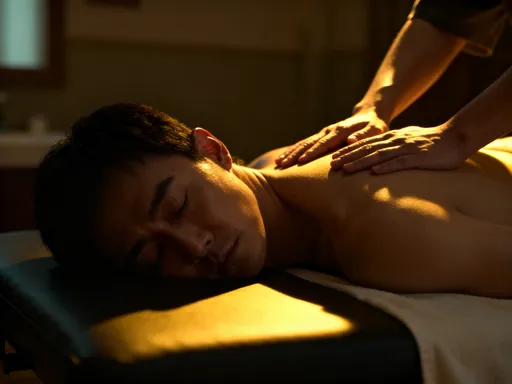
The moment I realized something deeper was happening occurred during my third massage session. I had gone in complaining of tightness between my shoulder blades—a familiar ache that had become a constant companion over the previous year. The therapist worked gently on the area, using slow, deliberate strokes. And then, without warning, tears began to fall. Not from pain. Not from sadness I could name. It was a release, pure and unfiltered. I wasn’t crying about a specific event or loss; I was releasing months of accumulated pressure, the kind that builds when you’re always “fine,” when you say “I’ve got this” while quietly drowning in responsibilities.
That experience was a turning point. I began to see my body not as a machine to be managed, but as a vessel that had been holding what my mind refused to process. The chronic tension in my shoulders wasn’t just from sitting at a desk or carrying a heavy bag—it was a physical echo of emotional strain. I was a mother, a partner, a professional, and a caregiver, constantly adapting, adjusting, and absorbing stress without giving myself permission to pause. My body had become a ledger of unmet needs, and the massage table was the first place I allowed myself to stop writing entries.
What surprised me most was how little I had connected my mental fatigue to my physical symptoms. I attributed my irritability, difficulty concentrating, and restless sleep to “just being busy.” But the truth was, my nervous system was overtaxed, and my body was signaling distress long before my mind acknowledged it. The crying wasn’t a breakdown—it was a breakthrough. It was the moment I realized that healing doesn’t always come through analysis or conversation. Sometimes, it arrives through sensation, through the slow unraveling of a muscle that hasn’t relaxed in years. That session didn’t solve my problems, but it gave me a new way to relate to them—one rooted in presence, not pressure.
Four Psychological Benefits I Didn’t Expect
As I continued with regular sessions, I began to notice subtle but significant shifts in my mental state. These changes were not dramatic or immediate, but they accumulated over time, reshaping how I moved through the world. The first unexpected benefit was the grounding effect. During periods of anxiety, my thoughts often spiral—racing from one worry to the next in a loop that feels impossible to escape. But during and after a massage, I noticed a distinct slowing of that mental chatter. The rhythmic pressure of the therapist’s hands created a kind of sensory anchor, pulling my awareness into the present moment. This is not unlike mindfulness meditation, where attention is directed to breath or bodily sensation to interrupt rumination. Massage, in its own way, offers a somatic form of meditation—one that doesn’t require effort, just receptivity.
The second benefit was increased body awareness. Like many people, I had spent years disconnected from my physical signals, pushing through fatigue, hunger, or discomfort in the name of productivity. Massage reawakened my sensitivity to these cues. I began to notice the early signs of stress—tightness in my chest, a slight hunch in my shoulders—before they escalated into full-blown tension. This awareness allowed me to intervene sooner, whether through stretching, deep breathing, or simply taking a break. I learned that the body speaks in whispers before it shouts, and massage helped me learn its language.
Third, I experienced greater emotional regulation. I became less reactive in daily interactions. Where I once might have snapped at a child for spilling milk or felt overwhelmed by a minor setback, I found myself responding with more patience and perspective. This wasn’t because my life had changed—it was because my capacity to handle stress had expanded. The regular reduction in cortisol levels, combined with the nervous system’s shift toward calm, created a buffer between stimulus and response. I wasn’t suppressing emotions; I was processing them more fluidly.
Finally, my sleep improved dramatically. For years, I struggled with restless nights, waking frequently or lying awake with a mind that wouldn’t shut off. After several massage sessions, I noticed deeper, more restorative sleep. This wasn’t just about physical relaxation; it was about mental quiet. When the body is no longer braced for stress, the mind can finally rest. And with better sleep came greater mental clarity, sharper focus, and a stronger sense of emotional resilience. These four benefits—grounding, awareness, regulation, and rest—did not replace other forms of self-care, but they amplified them, creating a foundation on which other healthy habits could thrive.
How to Use Massage as a Mental Reset (Not Just a Treat)
Understanding the mental benefits of massage changed how I approached it. I no longer saw it as an occasional luxury, but as a deliberate practice for mental reset. The first step was choosing the right type of massage. While deep tissue work can be effective for chronic muscle issues, I found that Swedish massage and myofascial release were most supportive of emotional release. Swedish massage, with its long, flowing strokes, promotes relaxation and circulation, making it ideal for calming the nervous system. Myofascial release, which targets the connective tissue surrounding muscles, helped me address deeper patterns of tension that had become embedded over years of holding stress in my body.
Frequency also made a difference. Initially, I scheduled appointments monthly, but I noticed that the benefits began to fade after two or three weeks. When I shifted to weekly sessions for a six-week period, the cumulative effect was profound. The consistent input allowed my nervous system to relearn a state of calm, making it easier to maintain between sessions. After the initial phase, I settled into a rhythm of every two to three weeks, which felt sustainable and effective. This isn’t about perfection or rigid adherence—it’s about finding a pace that supports your mental and physical needs.
To deepen the impact, I began creating a ritual around each session. Before lying down, I would take a few moments to set an intention—not just for pain relief, but for emotional release. I might silently say, “I allow myself to let go,” or “I welcome stillness.” This small act shifted my mindset from passive recipient to active participant in my own healing. After the session, I avoided rushing back into my day. Instead, I allowed time to sit quietly, drink water, and notice how my body felt. Some weeks, I paired the experience with breathwork or journaling, writing down any thoughts or emotions that surfaced. These practices didn’t require much time, but they amplified the mental reset, turning a physical treatment into a holistic act of self-reconnection.
Mind-Body Habits That Multiply the Effects
The benefits of massage don’t have to end when the session does. Simple post-massage routines can extend the sense of calm and deepen the mind-body connection. One of the most effective habits I adopted was taking five minutes of stillness afterward. Whether sitting in my car or lying on the couch at home, I resisted the urge to check my phone or make a to-do list. Instead, I focused on my breath, noticing the warmth in my muscles, the lightness in my chest, the quiet in my mind. This brief pause helped anchor the experience, preventing the immediate reabsorption of external stress.
Hydration also played a crucial role. Massage increases circulation and helps release metabolic waste from muscles. Drinking water afterward supports this detoxification process and prevents soreness. But beyond the physical, I found that the act of sipping water mindfully became a ritual of care—a small, daily reminder to nurture myself. I also incorporated gentle movement, such as slow stretching or a short walk, to integrate the changes in my body. These movements weren’t about exercise or calorie burning; they were about listening, about honoring the new openness in my muscles and the clarity in my mind.
Between sessions, I began practicing body scanning at home—a technique I learned from mindfulness training. Each night before bed, I would lie down and mentally scan from my toes to the top of my head, noticing areas of tension without judgment. This practice helped me catch stress early, before it settled into chronic tightness. When I noticed tension, I would breathe into that area, imagining the breath softening the muscle. Over time, this simple check-in became a form of emotional maintenance, a way to stay attuned to my inner state. When combined with massage, these habits created a feedback loop of awareness and release, making it easier to maintain balance even on difficult days.
When Self-Care Isn’t Enough: Knowing When to Seek More
While massage has been a powerful tool in my mental wellness journey, I’ve also learned its limits. There were moments when the relief was temporary, when the tension returned quickly, or when deeper emotions surfaced that I couldn’t process on my own. These were important signals. Massage is not a substitute for professional mental health care. It can complement therapy, reduce symptoms of anxiety, and improve quality of life, but it cannot resolve underlying trauma, clinical depression, or severe anxiety disorders. Recognizing when stress has outgrown the scope of touch is a crucial part of self-awareness.
I eventually began seeing a therapist to explore some of the patterns that kept showing up in my body—the tendency to overcommit, the fear of disappointing others, the habit of minimizing my own needs. Therapy provided the language and insight that massage could not. Together, the two practices formed a balanced approach: massage helped me access the body’s wisdom, while therapy helped me understand and reframe the stories behind it. This integration was more effective than either practice alone.
My advice to others is this: treat massage as one piece of a larger system of care. If you’re struggling with persistent sadness, overwhelming anxiety, or difficulty functioning in daily life, please seek support from a licensed mental health professional. Massage can be a bridge to healing, but it is not the entire path. There is no shame in needing more help. In fact, recognizing that need is one of the bravest and most compassionate things you can do for yourself.
Why This Small Habit Feels Like a Quiet Revolution
Looking back, I realize that massage didn’t change my life in a single moment. It changed it in dozens of small ones—the quiet breath after a session, the pause before reacting, the ability to say “no” without guilt. These shifts were subtle, but they added up to something profound. I began to trust my body again, not as an enemy of pain, but as an ally of insight. I became more present, less reactive, more willing to rest without feeling lazy. This wasn’t about becoming a different person; it was about returning to the person I had always been, beneath the layers of stress and expectation.
What makes this habit feel revolutionary is its gentleness. In a world that often equates healing with struggle—pushing harder, doing more, fixing everything—massage offers a different message: healing can be soft. It can be a hand on your back, a moment of stillness, a permission slip to feel. It reminds us that care doesn’t have to be loud or dramatic to be powerful. Sometimes, the deepest changes happen in silence, under the quiet pressure of skilled hands.
Massage didn’t fix everything. It didn’t erase my responsibilities or solve my problems. But it gave me something invaluable: space. Space to feel, to breathe, to remember that I am more than what I do. It taught me that self-care is not selfish—it’s necessary. And it showed me that healing isn’t always about grand gestures. Sometimes, it’s about showing up for yourself, week after week, in the simplest, softest ways. If you’re overwhelmed, stretched thin, or just tired of carrying it all, consider this: a little touch might be the quiet revolution you’ve been waiting for. Always consult a qualified professional to find what’s safe and right for your individual needs.