You know that feeling when your energy dips by 3 p.m., your mood swings out of nowhere, or your clothes fit differently even though you haven’t changed your habits? I’ve been there—juggling work, life, and self-care like so many women do. After years of inconsistent workouts and quick fixes that failed, I discovered a sustainable exercise routine that didn’t just reshape my body, but balanced my hormones, boosted my confidence, and brought real clarity to my days. This isn’t about extreme diets or punishing gym sessions. It’s about moving smarter, not harder—and how the right fitness approach can become a true act of self-respect for women at any stage of life.
The Hidden Struggle: Why Women’s Fitness Needs a New Approach
For decades, fitness advice has largely been built on male-centric research and standardized programs that don’t account for the biological realities women face. Many women follow routines designed for men—high-intensity, constant progression, minimal rest—and wonder why they feel drained, injured, or discouraged. The truth is, female physiology is uniquely influenced by hormonal fluctuations, metabolic shifts, and emotional stress patterns that require a different strategy. Exercise isn’t one-size-fits-all, especially when the body changes cyclically every month.
Women experience natural variations in estrogen, progesterone, and cortisol throughout their menstrual cycle, all of which affect energy levels, recovery speed, and muscle response to training. Ignoring these rhythms can lead to overtraining, fatigue, and even disrupted cycles. Studies show that women’s bodies respond best to movement that adapts to their hormonal phases, rather than fighting against them. For example, during the follicular phase—right after menstruation—rising estrogen supports higher energy and better endurance, making it an ideal time for strength and cardio. In contrast, the luteal phase often brings increased fatigue and bloating, signaling a need for gentler movement and recovery.
Additionally, women are more prone to bone density loss as they age, particularly after menopause, making strength training not just beneficial but essential. Yet, many still avoid weights out of fear of “bulking up,” a myth long debunked by science. Muscle mass supports joint health, improves insulin sensitivity, and boosts resting metabolism—critical factors in long-term wellness. The outdated belief that cardio alone leads to results overlooks the foundational role of resistance work in maintaining a strong, resilient body.
Stress is another factor often underestimated in women’s fitness. Chronic stress elevates cortisol, which can interfere with fat metabolism, disrupt sleep, and increase abdominal fat storage. High-intensity workouts, while effective in moderation, can further spike cortisol if done too frequently, especially when recovery is inadequate. This creates a counterproductive cycle where women push harder but feel worse. A smarter approach acknowledges the body’s signals and prioritizes balance—challenging the muscles while protecting mental and hormonal health.
My Wake-Up Call: From Burnout to Body Awareness
My turning point came after a particularly grueling year. I was working full-time, managing a household, and trying to keep up with an aggressive workout schedule—five days of intense classes, early morning runs, and strict meal plans. On paper, I was doing everything “right.” But in reality, I was exhausted. My energy crashed by mid-afternoon. I snapped at my family over small things. My periods became irregular, and I gained weight despite cutting calories. I wasn’t stronger—I was burnt out.
One morning, I stood in front of the mirror and didn’t recognize myself. Not because of how I looked, but because I felt disconnected from my body. I had treated it like a machine to be pushed, not a living system to be nurtured. That moment sparked a shift. I decided to stop chasing quick fixes and start listening. I began tracking not just my workouts, but how I felt—my energy, mood, sleep quality, and hunger cues. I replaced judgment with curiosity. Instead of asking, “Why am I not losing weight?” I started asking, “What does my body need today?”
This simple change in mindset opened a new path. I swapped punishing workouts for movement that felt supportive. I allowed rest without guilt. I noticed patterns—some days I craved strength training, others I needed a walk or a stretch. I learned that soreness wasn’t a badge of honor and that rest wasn’t laziness. In fact, recovery was where real transformation happened. My body began to respond—not with dramatic weight loss, but with steady improvements in stamina, sleep, and emotional balance.
What surprised me most was the mental shift. As I stopped fighting my body, I started trusting it. I stopped comparing myself to others and focused on how I felt. My workouts became less about punishment and more about presence. I wasn’t just exercising—I was reconnecting. This wasn’t a fitness routine; it was a form of self-respect. And that made all the difference.
The Core Principles: What Science Says About Women and Movement
Modern research increasingly supports the idea that women benefit from fitness strategies tailored to their biology. One of the most well-documented findings is the importance of strength training. Unlike spot reduction or endless cardio, building muscle improves metabolic rate, supports bone health, and enhances functional strength. A study published in the Journal of Bone and Mineral Research found that women who engaged in regular resistance training had significantly higher bone density, reducing the risk of osteoporosis later in life. This is especially crucial as estrogen levels decline with age.
Another key principle is managing cortisol through mindful movement. While exercise naturally raises cortisol temporarily, chronic elevation—common in high-stress lifestyles—can hinder fat loss and impair recovery. Low-impact cardio such as brisk walking, cycling, or swimming provides cardiovascular benefits without overstimulating the stress response. These activities increase endorphins, improve circulation, and support heart health, all while being gentle on the nervous system. For many women, replacing one high-intensity session with a moderate, sustained effort leads to better energy balance and mood stability.
Timing workouts to align with the menstrual cycle is another evidence-based strategy. Research from the European Journal of Applied Physiology suggests that strength gains are more likely during the follicular phase due to favorable hormonal conditions. Conversely, during the luteal and menstrual phases, the body may benefit more from lower-intensity exercise and flexibility work. This doesn’t mean women can’t train hard at certain times—it means adjusting intensity based on natural rhythms can enhance performance and reduce injury risk.
Nutrition also plays a supportive role. Protein intake, for example, is critical for muscle repair and hormone production. Women who exercise regularly need adequate protein throughout the day to maintain lean mass and support recovery. Healthy fats—found in foods like avocados, nuts, and olive oil—are essential for hormone synthesis and satiety. Pairing movement with balanced nutrition creates a synergistic effect, allowing the body to function optimally without extreme restrictions.
Finally, consistency outweighs intensity. Long-term health is built on sustainable habits, not short-term extremes. A 2021 review in the British Journal of Sports Medicine emphasized that regular, moderate physical activity is more effective for overall well-being than sporadic, intense efforts. This is especially true for women juggling multiple responsibilities. The goal isn’t perfection—it’s showing up, moving regularly, and honoring the body’s needs.
My 4-Part Weekly Routine: Simple, Sustainable, and Effective
After experimenting with different approaches, I settled on a four-day weekly routine that fits into real life. It’s not about maximum effort every day, but about consistent, purposeful movement. Each session lasts between 30 and 45 minutes, making it manageable even on busy days. The structure includes two strength training days, one low-impact cardio session, and one active recovery practice. This balance supports fitness goals while protecting energy and mental well-being.
The first strength session focuses on lower body and core. I begin with a five-minute dynamic warm-up—leg swings, hip circles, and bodyweight squats—followed by compound movements like goblet squats, Romanian deadlifts, and step-ups. I use moderate weights that challenge me but allow proper form. I aim for three sets of 10–12 reps, resting 60 seconds between sets. The core work includes planks, bird-dogs, and glute bridges, which strengthen the posterior chain and improve posture. This session leaves me feeling powerful, not depleted.
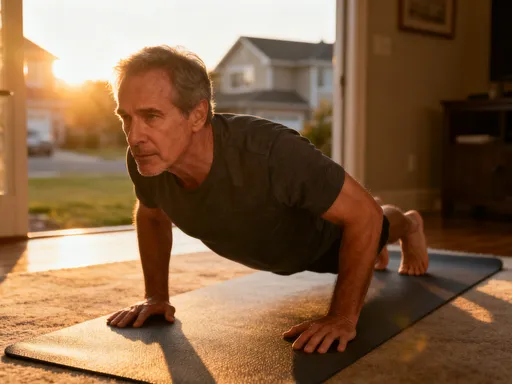
The second strength day targets upper body and stability. I start with band pull-aparts and shoulder taps to activate the upper back, then move into dumbbell rows, overhead presses, and push-ups. I incorporate unilateral exercises—like single-arm rows and lunges—to correct imbalances and improve coordination. I finish with light resistance band work for the arms and shoulders. This session enhances upper body strength without straining the joints, and I notice improvements in daily tasks like carrying groceries or lifting children.
On my cardio day, I choose low-impact options that I enjoy—usually a 40-minute brisk walk outdoors or a stationary bike ride while listening to a podcast. The goal isn’t to burn maximum calories, but to move steadily and clear my mind. I keep my heart rate in the moderate zone, where I can still talk comfortably. This type of cardio supports cardiovascular health, aids digestion, and reduces stress without adding physical strain.
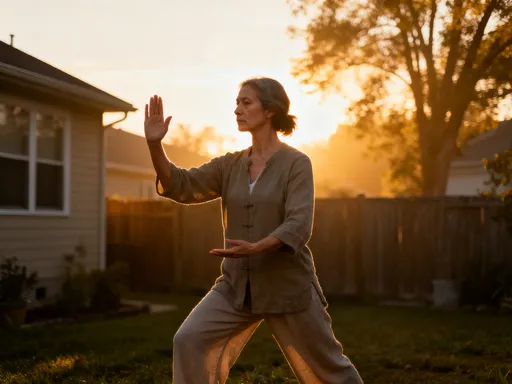
The final day is dedicated to active recovery. I practice yoga, foam rolling, or a guided stretching routine. I focus on deep breathing and gentle movements that release tension in the hips, shoulders, and lower back—areas where I tend to hold stress. This session is not optional; it’s a non-negotiable part of my self-care. It improves flexibility, speeds up recovery, and helps me stay consistent the rest of the week. On other days, I incorporate short walks or light movement, but I never push through fatigue.
Syncing with Your Cycle: Working *With* Your Body, Not Against It
One of the most transformative changes I made was learning to sync my workouts with my menstrual cycle. Instead of forcing the same routine every week, I began adjusting based on how I felt. This doesn’t mean rigid rules or tracking every hormone shift—it means paying attention and responding with compassion. Over time, I noticed clear patterns that helped me plan my week with more ease and less resistance.
During the menstrual phase (days 1–5), I honor the need for rest. Energy is naturally lower, and my body is shedding the uterine lining. I avoid intense workouts and focus on gentle movement—walking, stretching, or restorative yoga. I listen to cramps or fatigue as signals, not weaknesses. This phase is about renewal, not performance. By allowing myself to slow down, I recover more fully and avoid burnout.
The follicular phase (days 6–14) brings a natural energy boost as estrogen rises. This is when I schedule my more demanding strength sessions. My motivation is higher, my mood improves, and I feel stronger. I take advantage of this window to build muscle and improve endurance. It’s not about pushing to exhaustion, but about working with the body’s readiness to adapt and grow.
Ovulation (around day 14) marks peak energy and confidence for many women. I use this time for personal challenges—trying a new exercise, increasing weights slightly, or practicing balance drills. It’s a brief but powerful phase where physical and mental clarity align. I embrace it without overextending, knowing it won’t last forever.
The luteal phase (days 15–28) requires more awareness. As progesterone rises, I may feel more tired, bloated, or emotionally sensitive. I reduce workout intensity and prioritize recovery. If I feel strong, I do light strength work; if not, I stick to walking or stretching. I eat more complex carbohydrates and healthy fats to support hormone balance. This phase teaches patience and self-acceptance. Instead of fighting PMS-like symptoms, I adjust my expectations and care for myself with extra kindness.
Beyond the Workout: Sleep, Nutrition, and Mental Reset
Fitness doesn’t exist in isolation. No amount of exercise can compensate for chronic sleep deprivation, poor nutrition, or unmanaged stress. I learned that true wellness comes from a holistic approach—one that supports the body from the inside out. Once I started prioritizing sleep, my energy improved dramatically. I aim for 7–8 hours per night and maintain a consistent bedtime, even on weekends. I limit screen time before bed and create a calming routine—reading, herbal tea, dim lighting—to signal to my body that it’s time to rest.
Nutrition became less about restriction and more about fueling. I focus on whole foods—lean proteins, vegetables, whole grains, and healthy fats—without labeling anything as “good” or “bad.” I eat enough to sustain my activity level, especially on workout days. I include a source of protein with every meal to support muscle repair and keep hunger stable. I no longer skip meals or count calories obsessively. Instead, I eat mindfully, stopping when I’m satisfied, not stuffed.
Mental reset is equally important. I practice mindfulness through daily breathing exercises or short meditation sessions. Even five minutes of focused breathing helps me manage stress and stay grounded. I also schedule “mental declutter” days—no social media, no news, just quiet time with a journal or a walk in nature. These habits protect my emotional well-being and prevent burnout. They remind me that self-care isn’t selfish—it’s necessary.
Hydration plays a quiet but vital role. I keep a water bottle with me and aim for at least eight glasses a day. Proper hydration supports digestion, energy levels, and skin health. I notice that when I’m well-hydrated, I’m less likely to confuse thirst with hunger, and my workouts feel easier. I also limit caffeine and alcohol, especially during the luteal phase, when they can worsen mood swings and disrupt sleep.
Real Results, Real Life: What Changed After 12 Weeks
After 12 weeks of following this approach, the changes were undeniable—not because of a number on the scale, but because of how I felt every day. My energy was more stable. I no longer crashed at 3 p.m. or needed caffeine to get through the afternoon. I slept better, woke up feeling refreshed, and handled stress with more resilience. My clothes fit better, not because I lost drastic weight, but because my body composition shifted—more muscle, less fat, improved posture.
My mood improved significantly. I felt calmer, more focused, and less reactive. The emotional rollercoaster I used to experience each month softened. I still had tough days, but I had tools to navigate them—movement, breath, rest. I stopped viewing exercise as a chore and started seeing it as a daily gift to myself. I didn’t need motivation; I had routine and self-respect.
There were setbacks, of course. Life happened—a family emergency, a work deadline, a week of poor sleep. But instead of abandoning the routine, I adapted. I scaled back workouts, prioritized rest, and returned when I could. Progress wasn’t linear, and that was okay. What mattered was consistency over time, not perfection in the moment.
The biggest shift was internal. I stopped comparing myself to others—fitness influencers, coworkers, or even my younger self. I accepted my body as it was, honored its needs, and celebrated its strength. I wasn’t chasing an ideal; I was building a sustainable, joyful relationship with movement. And that made all the difference.
Your Body, Your Strength, Your Rules
Fitness, at its best, is not a punishment for what we ate or a race to look a certain way. It’s a daily act of honoring the body that carries us through life. For women, this means moving in ways that respect our biology, our energy, and our emotional well-being. It means replacing guilt with gratitude, intensity with intention, and comparison with self-trust.
Every woman’s journey is different. Some may thrive with more cardio, others with yoga or dance. Some may prefer home workouts, others enjoy group classes. The key is not the specific activity, but the mindset—showing up with care, listening to your body, and adjusting as needed. Fitness should enhance life, not dominate it.
As you explore your own path, remember that small, consistent actions create lasting change. You don’t need extreme measures to feel stronger, healthier, or more confident. You need patience, self-compassion, and a willingness to listen. When you treat movement as a form of self-respect, it becomes sustainable. It becomes part of who you are.
Your body is not the problem. It is the solution. And every time you move with purpose, you reaffirm that truth. This is not about being perfect. It’s about being present. It’s about building a life where strength, energy, and peace are not goals—but realities you live every day.