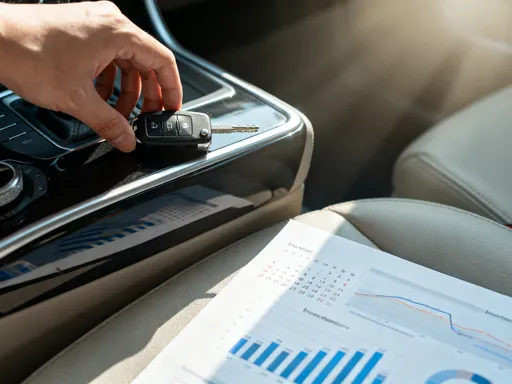
What if luxury spending could actually align with smart investing? I used to see high-end consumption as purely emotional—until I learned how it fits into the broader investment cycle. This isn’t about flashing cash; it’s about timing, value retention, and strategic asset allocation. In this deep dive, I’ll walk you through how premium purchases can coexist with disciplined finance—when done right, with awareness, and with purpose. It’s not about denying yourself the finer things; it’s about ensuring those things don’t come at the cost of long-term security. By understanding the rhythm of the financial cycle and your place within it, you can make luxury choices that reflect wisdom, not impulse.
The Hidden Link Between Luxury Spending and Financial Cycles
Luxury spending and investing are often viewed as separate financial behaviors—one associated with emotion, the other with discipline. Yet in reality, they are deeply connected, each influenced by the same underlying forces: confidence, market conditions, and personal financial health. During periods of economic expansion, when asset values rise and incomes grow, individuals often feel more financially secure. This sense of abundance can naturally lead to increased spending on high-end goods such as designer apparel, fine jewelry, or luxury vehicles. What may appear to be mere indulgence is, in many cases, a behavioral response to perceived wealth.
However, this link goes beyond psychology. The investment cycle—characterized by phases of expansion, peak, contraction, and recovery—shapes not only market returns but also consumer behavior. When stock markets perform well, retirement accounts grow, and home values appreciate, people feel wealthier, even if their income hasn’t changed. This phenomenon, known as the wealth effect, often triggers an uptick in discretionary spending, including luxury purchases. Recognizing this pattern allows individuals to step back and assess whether their spending is a reflection of true financial readiness or simply a reaction to temporary market highs.
Moreover, luxury consumption can serve as a barometer of where someone stands in their personal financial journey. Early-career professionals may stretch to afford premium brands as a form of identity signaling, while those in later stages might purchase high-end items as a way to enjoy the fruits of decades of disciplined saving and investing. The key is to distinguish between spending that enhances life quality and spending that erodes financial stability. Without awareness, even well-intentioned luxury purchases can become a drag on net worth, especially if they are financed through debt or made at inopportune times in the economic cycle.
Understanding this connection enables a more intentional approach. Instead of treating luxury as an emotional release valve, it can be reframed as a strategic decision—much like choosing when to rebalance a portfolio or when to lock in gains. By aligning premium spending with financial milestones rather than fleeting emotions, individuals can maintain control over their long-term goals. The goal is not to eliminate luxury but to ensure it complements, rather than contradicts, a sound financial strategy.
Recognizing the Phases: Where You Are in the Investment Cycle
Every investor moves through distinct phases in their financial life: accumulation, consolidation, spending, and legacy. Each stage brings different priorities, risk tolerances, and spending behaviors. Recognizing which phase you are in is critical to making informed decisions about high-end purchases. In the accumulation phase—typically spanning early to mid-career—the focus is on building wealth through income growth, savings, and compound returns. During this time, luxury spending should be approached with caution. While it’s natural to want to celebrate career milestones with a new watch or designer bag, such purchases can delay progress toward foundational goals like homeownership or retirement funding.
In contrast, the consolidation phase—often reached in one’s 40s to 60s—marks a shift toward wealth preservation and optimization. Income is typically higher, debts are reduced, and investment portfolios have matured. At this stage, high-end spending may be more sustainable, especially if it’s funded from surplus income or realized gains. A luxury vacation, a premium automobile, or a second home might now serve as both enjoyment and a strategic use of excess capital. The key difference is that these purchases are made from a position of strength, not aspiration. They reflect financial stability rather than a desire to project it.
The spending phase, which often begins in retirement, requires a different mindset altogether. Here, the focus shifts from growth to income generation and lifestyle maintenance. While some retirees may choose to downsize and simplify, others may use accumulated wealth to fulfill long-held dreams—such as purchasing a vacation property or collecting fine art. However, even in this phase, sustainability matters. Spending must be calibrated to ensure that assets last throughout retirement. A single high-end purchase is less concerning than a pattern of unchecked luxury spending that could deplete savings prematurely.
Finally, the legacy phase involves planning for wealth transfer and long-term impact. At this point, high-end spending often takes on symbolic or intergenerational significance. A family heirloom watch, a piece of art passed to a child, or a charitable donation in the form of a rare collectible can carry both emotional and financial weight. These decisions are less about consumption and more about values, continuity, and purpose. By aligning luxury choices with the phase of the investment cycle, individuals can ensure their spending supports—not undermines—their broader financial narrative.
When High-End Spending Becomes an Asset, Not a Liability
Not all luxury purchases are created equal. While most high-end items depreciate the moment they leave the store, a select few have the potential to retain or even increase in value over time. The distinction lies in whether the item is a consumable luxury or a potential store of value. A designer handbag may lose value quickly, but a rare Rolex or a limited-edition Porsche can appreciate under the right conditions. Understanding this difference is essential for turning discretionary spending into a strategic financial move.
Several factors determine whether a luxury item can function as an asset. Scarcity is one of the most important. Items that are produced in limited quantities or no longer manufactured tend to hold value better than mass-market alternatives. Provenance—documentation of authenticity and ownership history—also plays a critical role, especially in markets like fine art, vintage watches, and classic cars. A well-documented piece with a clear chain of custody is more likely to attract serious buyers and command higher prices.
Demand cycles are another key consideration. Certain categories experience surges in popularity due to cultural trends, celebrity influence, or market shifts. For example, vintage sports cars from the 1970s saw renewed interest in the 2010s, driven by nostalgia and a growing collector base. Similarly, Swiss timepieces from the 1980s have gained value as younger investors seek tangible alternatives to digital assets. These trends don’t guarantee future returns, but they do highlight the importance of timing and market awareness.
Market infrastructure also affects an item’s potential as an asset. Categories with established auction houses, dealer networks, and price transparency—such as fine art or rare coins—are more liquid and easier to value than niche or emerging markets. Without reliable pricing data or resale channels, even a rare item can become illiquid and difficult to sell at fair market value. Therefore, before treating a luxury purchase as an investment, it’s essential to research the secondary market, understand ownership costs, and assess long-term demand.
For those considering this path, the approach should be disciplined. Allocate only a small portion of your portfolio—typically no more than 5%—to collectible assets. Treat these purchases like any other investment: diversify across categories, keep detailed records, and avoid emotional decision-making. When done thoughtfully, high-end spending can serve a dual purpose: providing personal enjoyment while also contributing to wealth preservation.
The Risk Trap: Emotional Indulgence vs. Strategic Allocation
One of the greatest dangers in high-end spending is the illusion of investment. It’s easy to justify a $20,000 watch by telling yourself it will appreciate in value, especially when you hear stories of rare timepieces selling for millions at auction. But for every success story, there are countless others where luxury purchases lost significant value due to lack of demand, poor condition, or market saturation. The line between strategic allocation and emotional indulgence is often blurred by ego, social pressure, and the desire for status.
Behavioral finance shows that people frequently overestimate the future value of assets they personally desire. This cognitive bias, known as the endowment effect, leads individuals to assign higher value to items they own or wish to own, simply because of emotional attachment. In the context of luxury spending, this can result in overpaying for items with limited resale potential. A handbag may feel priceless to its owner, but the secondary market may value it at a fraction of the original price.
Fear of missing out—commonly known as FOMO—also plays a role. When certain brands or models gain popularity, buyers may rush to acquire them without proper research, assuming that rising demand will continue indefinitely. However, luxury markets can be volatile. Trends shift, brands lose favor, and once-coveted items can become outdated. Without due diligence, a purchase made in the heat of the moment can become a long-term financial burden.
To avoid these pitfalls, it’s essential to separate intent from outcome. Ask yourself: Am I buying this because I truly value it, or because I want to signal success? Is this item likely to hold value based on objective criteria, or am I relying on hope and anecdotal evidence? Creating a decision framework can help. Consider factors such as production volume, brand reputation, historical price trends, and resale channels before committing. If the primary motivation is personal enjoyment, that’s perfectly valid—but it should be treated as a consumption expense, not an investment.
Additionally, timing matters. Making a high-end purchase during a market peak—when prices are inflated by speculation—increases the risk of loss if the trend reverses. Conversely, buying during periods of lower demand, or when a category is out of favor, can offer better value and long-term upside. The goal is not to eliminate emotional satisfaction from spending, but to ensure it doesn’t come at the expense of financial clarity and discipline.
Smart Tactics to Align Premium Spending with Wealth Goals
Enjoying luxury doesn’t require sacrificing financial health. With the right strategies, it’s possible to incorporate high-end spending into a balanced financial plan. The key is intentionality—making deliberate choices that align with your overall wealth goals. One effective approach is to tie luxury purchases to specific financial milestones. For example, buying a premium timepiece after reaching a net-worth target or funding a dream vacation once a retirement account hits a certain balance. This creates a system of earned rewards, ensuring that spending is supported by real progress rather than wishful thinking.
Another smart tactic is to fund luxury purchases with windfalls rather than ongoing income or debt. Bonuses, tax refunds, investment gains, or inheritance can provide a natural source of capital for discretionary spending. By allocating a portion of unexpected money to enjoyment, you avoid disrupting your regular budget or increasing financial risk. This method also helps maintain perspective—luxury becomes a bonus, not a burden.
Setting a personal luxury budget is another powerful tool. Just as households create categories for groceries, utilities, and entertainment, they can designate a line item for premium purchases. This budget should be based on a percentage of disposable income or net worth, adjusted for life stage and financial goals. Sticking to this limit ensures that spending remains proportional and sustainable. If the budget is exceeded, it doesn’t mean the purchase is off-limits—it simply means delaying it until funds are available, fostering patience and discipline.
Timing purchases with market cycles can also improve outcomes. In collectible markets, prices often follow trends similar to financial assets—rising during periods of enthusiasm and falling during downturns. Buying during a dip, when demand is lower, can yield better value. Similarly, avoiding purchases during hype-driven peaks reduces the risk of overpaying. For those interested in collectibles, dollar-cost averaging—buying small quantities over time—can reduce exposure to price volatility and provide a more balanced entry point.
Finally, consider alternative ownership models. Leasing a luxury vehicle, for instance, allows access to premium features without the long-term depreciation risk. Renting a high-end watch or sharing ownership of a vacation property through fractional programs can offer enjoyment at a fraction of the full cost. These options provide flexibility and reduce the financial commitment, making luxury more accessible without compromising stability.
Diversification Beyond Stocks: Where Collectibles Fit In
Modern portfolio theory emphasizes diversification as a way to manage risk and enhance returns. While traditional assets like stocks, bonds, and real estate remain the foundation of most investment strategies, alternative assets—including collectibles—are gaining recognition as a complementary component. High-end goods such as rare watches, vintage cars, fine art, and premium wine can offer exposure to markets that don’t always move in sync with financial assets. This low correlation can provide a hedge during periods of stock market volatility, adding resilience to a well-structured portfolio.
However, collectibles come with unique challenges. Unlike stocks or mutual funds, they are not easily divisible, and their value is not continuously priced. Liquidity can be a major concern—selling a rare painting or classic car may take months, and finding a qualified buyer often requires specialized networks. Custody and maintenance also add costs. Artwork may need climate-controlled storage, classic cars require regular servicing, and jewelry demands secure insurance. These ongoing expenses can erode returns, especially if the item does not appreciate as expected.
Market opacity is another issue. Pricing data for collectibles is often fragmented, relying on auction results, dealer quotes, or private sales. Without transparent benchmarks, it’s harder to assess whether an item is fairly priced. This lack of standardization increases the risk of overpaying or falling victim to misinformation. Therefore, investors must approach this space with caution, conducting thorough research and, when possible, consulting experts in the field.
Despite these challenges, collectibles can play a meaningful role in wealth management when used appropriately. They offer personal satisfaction, cultural connection, and the joy of ownership—benefits that financial assets alone cannot provide. For many, collecting is not just about returns but about passion and legacy. The key is to treat these holdings as a satellite portion of the portfolio, typically no more than 5% to 10%, and to maintain a clear distinction between emotional value and financial performance.
By integrating collectibles thoughtfully, investors can achieve a more holistic approach to wealth—one that balances growth, risk management, and personal fulfillment. The goal is not to replace traditional investing but to enhance it with assets that reflect individual interests and long-term vision.
Building a Sustainable Wealth Mindset: Enjoyment Without Regret
True financial success is not measured solely by net worth, but by the ability to live a fulfilling life without compromising future security. This balance is especially important when it comes to high-end spending. Denying yourself all forms of luxury can lead to resentment, while unchecked indulgence can undermine decades of careful planning. The path forward lies in cultivating a sustainable wealth mindset—one that embraces both discipline and enjoyment.
This mindset begins with awareness. Understanding where you are in the investment cycle, recognizing the emotional drivers behind spending, and evaluating the true cost and value of luxury purchases are all essential steps. It also requires honesty—acknowledging when a purchase is for pleasure rather than investment, and being comfortable with that distinction. There is no shame in spending money on things that bring joy, as long as it is done within a framework of financial responsibility.
Intentionality is the cornerstone of this approach. Every financial decision, whether large or small, should align with your values and long-term goals. Luxury spending, when planned and purposeful, can be a celebration of achievement, a source of inspiration, or a way to create lasting memories. It becomes problematic only when it is impulsive, excessive, or disconnected from reality.
Ultimately, wealth is not just about accumulation—it’s about integration. It’s about building a life where financial strength and personal satisfaction coexist. By viewing luxury not as a symbol of status but as a conscious choice within a broader financial strategy, you gain the freedom to enjoy the present without sacrificing the future. This is the essence of financial maturity: the ability to spend wisely, live well, and look ahead with confidence.