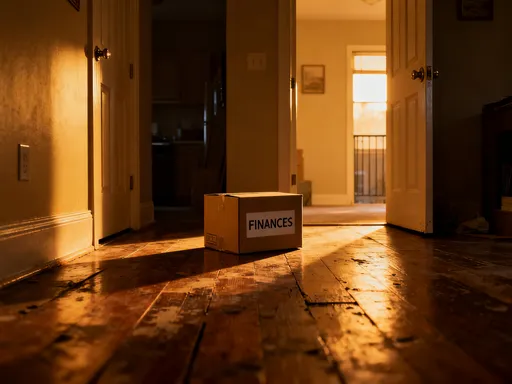
Natural disasters don’t just destroy homes—they can wipe out savings too. I learned this the hard way after a storm left me stranded without access to cash or insurance. Since then, I’ve rebuilt a financial system that’s resilient, flexible, and ready for the unexpected. It’s not about getting rich—it’s about staying safe. Here’s how I manage wealth with real disasters in mind, focusing on protection, access, and long-term stability. This approach isn’t built on speculation or high-risk bets; it’s rooted in practical steps that anyone can take to shield their finances when crisis strikes. The goal is simple: ensure that when the power goes out, the roads flood, or communication fails, your money still works for you.
The Wake-Up Call: When Nature Shook My Financial Foundation
It started with rain—steady, unrelenting rain that turned creeks into rivers and roads into impassable channels. Within 48 hours, the basement was flooded, the electricity cut off, and our neighborhood became an island surrounded by rising water. But the real shock came days later, when I realized how fragile my financial safety net truly was. My bank accounts were frozen not by fraud, but by system failure—branches closed, ATMs down, and mobile banking inaccessible due to network outages. I had savings, yes, but no way to reach them. Important documents like insurance policies and property deeds were stored digitally on a laptop that drowned in the flood, and paper copies had not been kept elsewhere. The emotional toll was overwhelming: fear, frustration, and a deep sense of helplessness that no investment statement could ease.
What made this experience even more painful was realizing it could have been avoided. I had followed conventional financial advice—maxed out retirement accounts, kept a modest emergency fund, and paid premiums on homeowners insurance. Yet none of these measures prepared me for the reality of total system disruption. Insurance didn’t cover all losses, especially those related to basement flooding, which many standard policies exclude. The emergency fund existed, but only in a single bank account tied to one region. When that region went offline, so did my access. This was the moment I understood that traditional wealth management often assumes stability—constant connectivity, functioning institutions, and predictable recovery timelines. But nature doesn’t follow assumptions. Disasters expose the hidden dependencies in our financial lives: reliance on digital infrastructure, centralized banking systems, and location-specific assets. For me, this crisis became a catalyst for redefining what financial security really means—not as a number on a screen, but as the ability to survive and adapt when everything else fails.
Redefining Wealth in a Crisis-Ready World
Wealth, in the context of disaster preparedness, must be redefined. It is no longer enough to measure success solely by net worth or portfolio growth. True financial strength lies in resilience—the ability to maintain access to resources when normal systems break down. Consider the homeowner who has $500,000 in investments but cannot withdraw cash during a regional blackout because online banking is down and local ATMs are inoperable. Or the retiree with substantial savings trapped in a single bank while evacuating under emergency orders. In those moments, liquidity and accessibility matter far more than return rates. This shift—from growth-first to stability-first finance—is not about abandoning investment goals; it’s about prioritizing functional security over theoretical value.
The key insight is that financial resilience depends on reducing dependency. Just as ecosystems thrive through biodiversity, personal finances benefit from diversification across access points, asset types, and geographic locations. A well-structured crisis-ready portfolio includes not only stocks and retirement funds but also physical cash, portable valuables, and alternative forms of exchange. These elements serve as financial shock absorbers. For example, small amounts of universally accepted currencies like U.S. dollars or euros can be used internationally if evacuation becomes necessary. Precious metals such as gold or silver coins, while not ideal for daily spending, hold intrinsic value and can be traded when digital systems fail. Even non-monetary assets—like tools, generators, or medical supplies—can function as barter currency in emergency scenarios where money loses immediate utility.
This broader definition of wealth emphasizes adaptability. It acknowledges that during a crisis, the rules change. Banks may limit withdrawals, governments may impose capital controls, and digital transactions may halt. In such environments, those who rely entirely on electronic money or single financial institutions face disproportionate risk. The alternative is a layered approach: maintaining multiple ways to access value, ensuring that no single failure point can collapse the entire system. By treating financial security as a function of redundancy and access rather than accumulation alone, individuals can build a foundation that withstands not just market volatility, but real-world disruptions.
Building Your Financial Emergency Core
At the heart of any disaster-resilient financial plan is the emergency core—a collection of liquid, accessible, and protected resources designed to function when normal systems fail. This core is not a replacement for long-term savings or retirement accounts; rather, it is a tactical layer focused on immediate survival and short-term stability. The most critical component is physical cash, strategically stored in multiple secure locations. While digital banking offers convenience, it assumes uninterrupted power, internet, and institutional operations—all of which can vanish during a natural disaster. Having cash on hand allows for purchases at local stores, payment for transportation, or bartering when electronic payment systems are unavailable.
The recommended approach is to keep a portion of your emergency fund—typically three to six months of essential living expenses—in physical form, divided across at least three separate locations. One part should be at home, preferably in a waterproof and fire-resistant container. Another should be with a trusted family member or friend in a different geographic area, reducing the risk of total loss if your home is damaged. A third portion can be stored in a secure off-site location, such as a safety deposit box in a bank outside your immediate region. This geographic diversification ensures that even if one area is affected, other access points remain viable. The denominations matter too: a mix of small bills ($1–$20) and larger ones ($50–$100) provides flexibility, allowing you to make minor purchases without breaking large bills when change is scarce.
Beyond cash, the emergency core should include portable valuables—items that retain value and can be easily carried during evacuation. These might include gold or silver coins, high-demand electronics in working condition, or heirloom jewelry with verifiable authenticity. Unlike paper assets or digital balances, these items do not depend on third-party systems for validation. They can be shown, traded, or sold directly. Additionally, consider including prepaid debit cards with preloaded funds, stored securely and activated only when needed. Unlike credit cards, which require functioning credit lines and identity verification, prepaid cards offer immediate access to money without debt exposure. Together, these components form a financial lifeline—simple, tangible, and independent of infrastructure.
Risk Control That Actually Works When Systems Fail
Insurance is often seen as the primary defense against financial loss, but in disaster scenarios, it frequently falls short. Standard homeowners or renters insurance policies typically exclude certain types of damage—such as flooding unless a separate flood policy is purchased—or impose long waiting periods before claims are processed. In the aftermath of a major event, insurers may be overwhelmed, leading to delays that stretch into weeks or months. By then, basic needs like shelter, food, and medical care must already be met. Relying solely on insurance is like depending on a fire department that arrives after the house has burned down. Effective risk control requires a layered strategy—one that combines insurance with proactive, self-managed safeguards.
One of the most effective techniques is micro-diversification: spreading financial assets across multiple institutions, account types, and storage methods to eliminate single points of failure. For example, instead of keeping all savings in one bank, divide funds between two or three federally insured institutions in different regions. This reduces exposure to localized outages or bank-specific failures. Similarly, avoid storing all digital financial records on a single device. Use encrypted cloud storage with two-factor authentication, but also maintain offline backups on external hard drives or USB sticks stored in safe locations. These backups should include scanned copies of insurance policies, identification documents, property titles, and recent account statements—everything needed to prove ownership and begin recovery quickly.
Digital identity protection is another crucial layer. In emergencies, proving who you are can be as important as proving what you own. Create a secure digital wallet containing photos of your driver’s license, passport, Social Security card, and other key IDs. Store this in an encrypted format and share access only with a trusted person. Some people use password managers with emergency access features, allowing designated contacts to retrieve critical information if the account holder is incapacitated. These steps may seem excessive in normal times, but during a crisis, they save hours—if not days—of bureaucratic struggle. Ultimately, real risk control is not about avoiding all danger—it’s about ensuring that when systems fail, you still have the tools to move forward.
Smart Asset Allocation for Unpredictable Times
Asset allocation is traditionally discussed in terms of stocks, bonds, and real estate, with the goal of maximizing returns based on risk tolerance. But in a world increasingly affected by climate change and infrastructure vulnerabilities, this model must evolve. A truly resilient portfolio considers not just market performance, but physical accessibility and functional utility. This means balancing digital assets with physical ones, local investments with remote holdings, and financial instruments with practical resources. The objective shifts from pure wealth accumulation to maintaining optionality—ensuring that value can be accessed and used regardless of external conditions.
One way to achieve this balance is by allocating a small portion of your portfolio—typically 5% to 10%—to tangible, transferable assets. These include land in low-risk areas, durable tools, solar-powered generators, or even high-quality camping equipment. While these items do not generate direct income, they provide utility during disruptions. A generator, for instance, can keep refrigeration running during extended power outages, preserving food and medicine. A reliable water filtration system can reduce dependence on municipal supplies. In extreme cases, such items become valuable enough to trade or sell, effectively functioning as liquid assets when traditional markets are frozen.
Geographic diversification is equally important. Avoid concentrating investments in regions prone to recurring disasters—such as coastal properties vulnerable to hurricanes or homes near wildfire zones—unless they are adequately hedged with insurance and alternative plans. Instead, consider spreading real estate exposure across different climates and jurisdictions. For example, owning a modest rental property in a stable inland area can provide income continuity if your primary residence is affected. Similarly, digital assets should not be tied exclusively to local service providers. Use cloud platforms with global data centers and multi-region backups to ensure access from anywhere. The goal is not to predict disasters, but to structure your finances so that no single event can erase your foundation.
Practical Moves Anyone Can Make—Before the Storm Hits
Preparation is not a one-time task; it is a habit. The most effective financial defenses are built long before disaster strikes, through consistent, manageable actions. One of the simplest yet most powerful steps is creating a go-bag—a portable emergency kit that includes not just food, water, and medicine, but financial essentials. This should contain a few hundred dollars in cash, a list of account numbers and emergency contacts, a portable charger, copies of key documents, and any necessary access cards or passwords written securely on paper. Keep this bag packed and in a known location, ready to grab at a moment’s notice. Families should practice evacuation drills that include retrieving the go-bag and simulating real-life financial decisions, such as withdrawing cash from a secondary bank or contacting an out-of-area relative for support.
Another valuable practice is the “digital detox” drill—setting aside a weekend where you intentionally disconnect from online banking, credit cards, and digital payment apps. During this time, live only on cash and physical resources. This exercise reveals dependencies and gaps in your emergency plan. Can you buy groceries without a card? Do you know where the nearest ATM is that might still function during a blackout? Are your family members aware of where emergency funds are stored? These drills build confidence and competence. They also highlight the importance of human networks. Establish relationships with neighbors, local business owners, or community groups who might offer support during crises. In many disaster scenarios, informal barter systems emerge—trading extra fuel for food, or tools for labor. Being part of a trusted network increases your financial flexibility when formal systems fail.
Finally, set up remote access to financial accounts using secure, multi-factor authentication. Designate a trusted person—such as a spouse or adult child—with authorized access or power of attorney, so they can act on your behalf if you are unreachable. Test these systems regularly to ensure they work. These steps may seem minor in isolation, but together, they form a robust defense against financial paralysis when it matters most.
Long-Term Wealth That Survives Short-Term Chaos
Recovery after a disaster is not just about rebuilding structures—it’s about restoring financial stability without falling into common traps. One of the biggest risks is accumulating high-interest debt to cover immediate costs, especially when insurance payouts are delayed. While emergency loans or credit card advances may seem like solutions, they often lead to long-term financial strain. A better approach is to draw from the emergency core first, using pre-established cash reserves and liquid assets to cover urgent needs. This preserves credit health and avoids compounding stress with interest payments. If borrowing is unavoidable, prioritize low-interest options and create a clear repayment plan before taking on any debt.
Another challenge is resisting the urge to make drastic investment changes in the aftermath of a crisis. Fear and uncertainty can lead people to sell off stocks or pull money from retirement accounts at a loss, locking in damage that could have been temporary. Market downturns following disasters are often short-lived, and disciplined investors who maintain their course typically recover faster. Instead of reacting emotionally, focus on reassessing your financial plan with fresh eyes. Update your risk assessment, revise insurance coverage, and strengthen weak points exposed by the event. This is also the time to conduct a full emergency audit: review what worked, what failed, and what needs improvement. Update document backups, restock the go-bag, and reconfirm access protocols.
Ultimately, true wealth management is not measured by quarterly returns or net worth statements, but by peace of mind when everything else fails. The ability to feed your family, secure shelter, and maintain dignity during a crisis is the highest form of financial success. By building systems that prioritize protection, access, and adaptability, you create a legacy of resilience—one that protects not just your money, but your life. In a world where disasters are becoming more frequent and unpredictable, this kind of preparedness is not extreme; it is essential. And the best time to start is now—long before the storm arrives.